

The biggest home-battery mistakes in 2026 are not choosing the “wrong” brand—they are sizing from guesses, confusing battery energy in kWh with output power in kW, misunderstanding what backup actually covers, locking in hardware before the electrical design is confirmed, and using outdated incentive or savings assumptions. Any of those can force unnecessary equipment, redesign, electrical-service work, or weak economics.
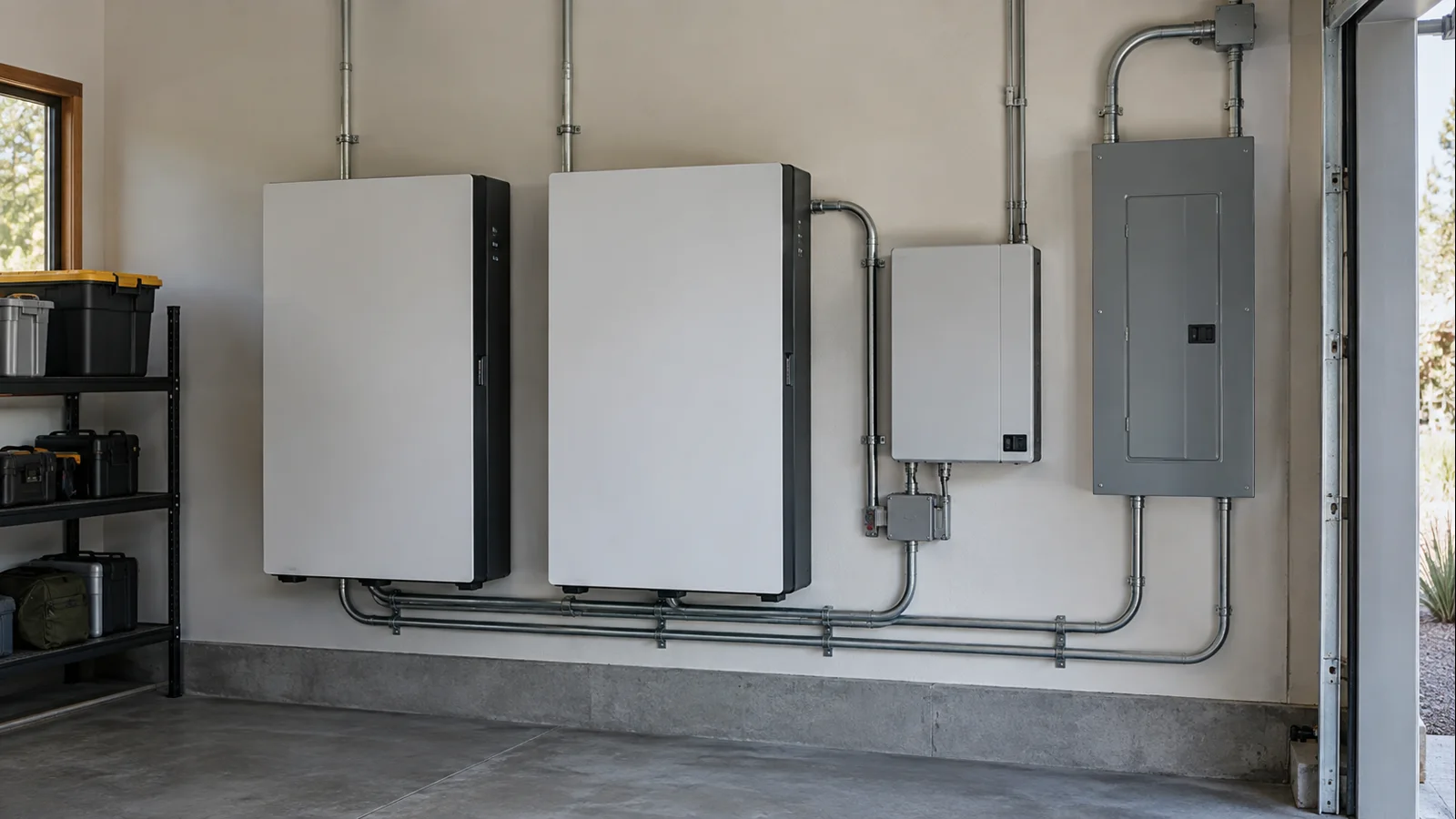
A battery proposal should begin with the loads you need to support, the outage duration you care about, and the electrical architecture of the home. Battery capacity, inverter output, transfer equipment, solar integration, load controls, panel limits, permits, and utility rules all interact. A useful comparison of current products starts with those constraints, not with a battery count; see AmpedHabitat’s Best Home Batteries (2026) for product-level context after the design questions are clear.
Mistake 1: Sizing From House Size or Battery Count Instead of a Measured Backup Plan
Square footage is a poor battery-sizing shortcut. Two houses of the same size can have radically different outage loads because one may use gas heat and a small refrigerator while another relies on heat pumps, a well pump, multiple refrigerators, medical equipment, or other electric loads.
Start with a load and outage plan. Identify the circuits or appliances that matter during an outage, estimate how long they need to run, and use interval utility data or a monitored load profile when available. The key energy question is measured in kilowatt-hours (kWh): how much usable energy is needed over the outage period. Runtime depends on the actual load profile, available battery energy, system losses, reserve settings, temperature and, when solar is involved, how much energy the array can replenish under real conditions.
NREL REopt guidance models resilience around a defined critical-load profile and specified outage period rather than house size alone. That is the right mindset even if a homeowner never uses REopt itself: define the problem first, then size the storage system. For broader outage planning beyond batteries, AmpedHabitat’s Power Outage Preparation guide covers non-battery resilience steps as well.
Mistake 2: Confusing kWh of Energy With kW of Power
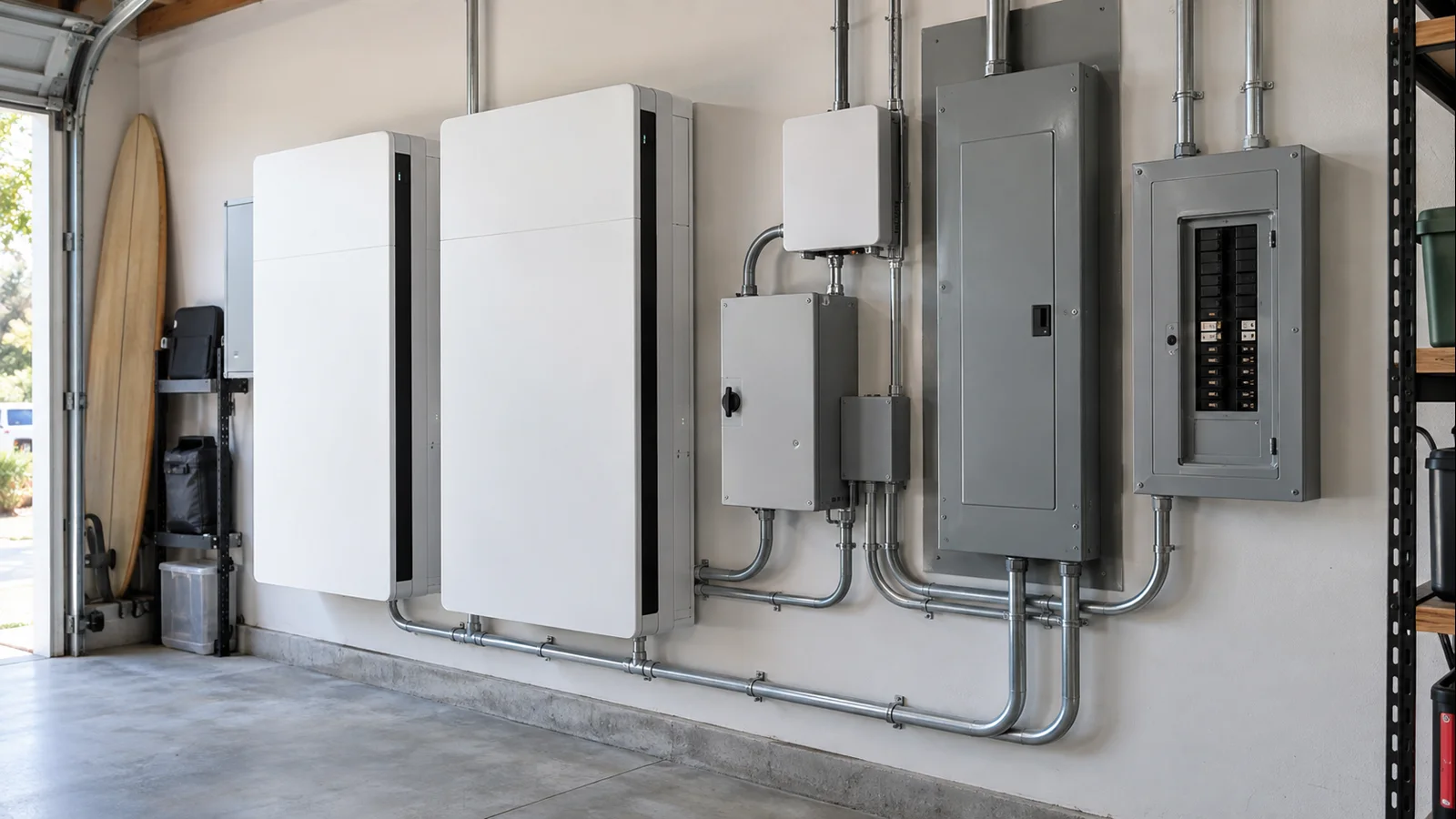
kWh is energy capacity; kW is power output. They answer different questions. kWh helps determine how long a battery can support a given load. kW helps determine how much electrical load the system can deliver at one time. Starting or surge capability matters too, especially for motors and compressors.
A current Tesla Powerwall 3 U.S. datasheet illustrates the distinction clearly: it lists 13.5 kWh nominal battery energy and configurable nominal AC output ratings up to 11.5 kW. Those two numbers cannot be substituted for each other. A battery could have enough kWh for a long outage at modest loads yet still lack the kW or surge capability to start or run several large loads simultaneously.
That is why a battery should never be assumed to run central HVAC, a well pump, EV charging, electric resistance heat, a dryer, a range, or other high-demand equipment simply because its kWh capacity looks large. The answer depends on continuous output, surge or motor-start capability, the inverter and controls, circuit configuration, and the rest of the backup architecture. Review the manufacturer’s current technical documentation, not just a sales-page capacity figure; for example, see the Powerwall 3 datasheet.
Mistake 3: Assuming “Whole-Home Backup” Means Every Circuit Works Normally
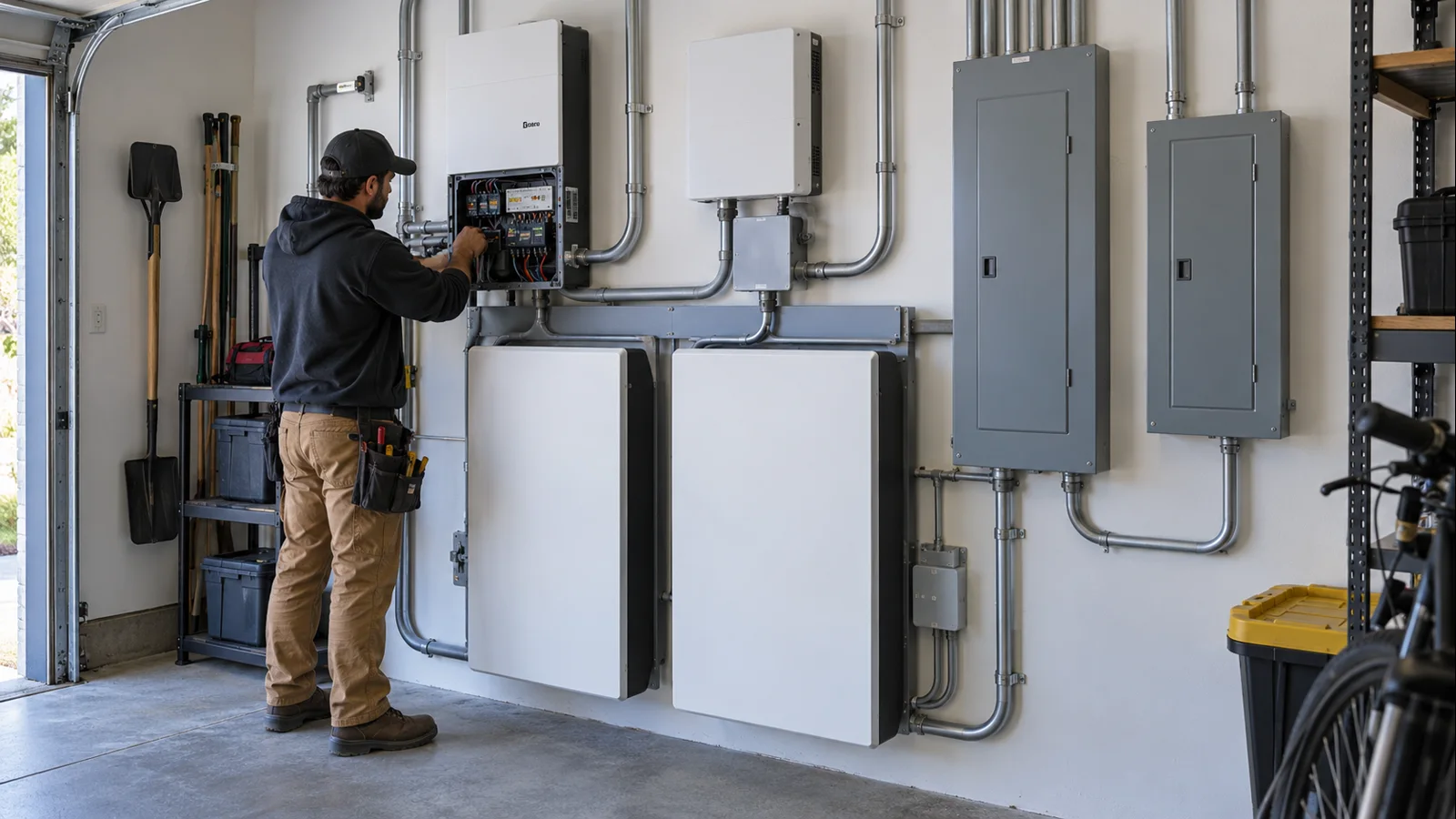
“Whole-home backup” describes an architecture, not a promise that every appliance can operate together exactly as it does on the grid. A system may connect broadly to the home while still depending on load shedding, smart controls, user behavior, or output limits during an outage.
The practical questions are: which circuits remain energized when the grid fails, what continuous kW can the battery system supply, what surge or motor-start loads can it handle, and how quickly the available kWh will be consumed at the homeowner’s actual outage load. If two large loads start together, a system can hit a power limit even when plenty of stored energy remains.
Backup behavior also depends on the gateway or transfer equipment, whether the design protects selected circuits or uses a whole-home architecture, panel and service constraints, load-management devices, and manufacturer-specific rules. Solar does not guarantee indefinite backup either: recharge depends on array size, weather, season, shading, system configuration, available solar after serving house loads, and whether the particular solar-plus-storage architecture can recharge during an outage.
For a closer look at circuit-level load control, see the Eaton Smart Breaker review.
For shoppers comparing how different battery ecosystems approach power, controls and integration, AmpedHabitat’s Enphase IQ Battery 5P vs. Sonnen EcoLinx comparison is useful background—but the final backup capability still comes from the installed configuration.
Mistake 4: Buying Hardware Before the Electrical and Solar Architecture Is Confirmed
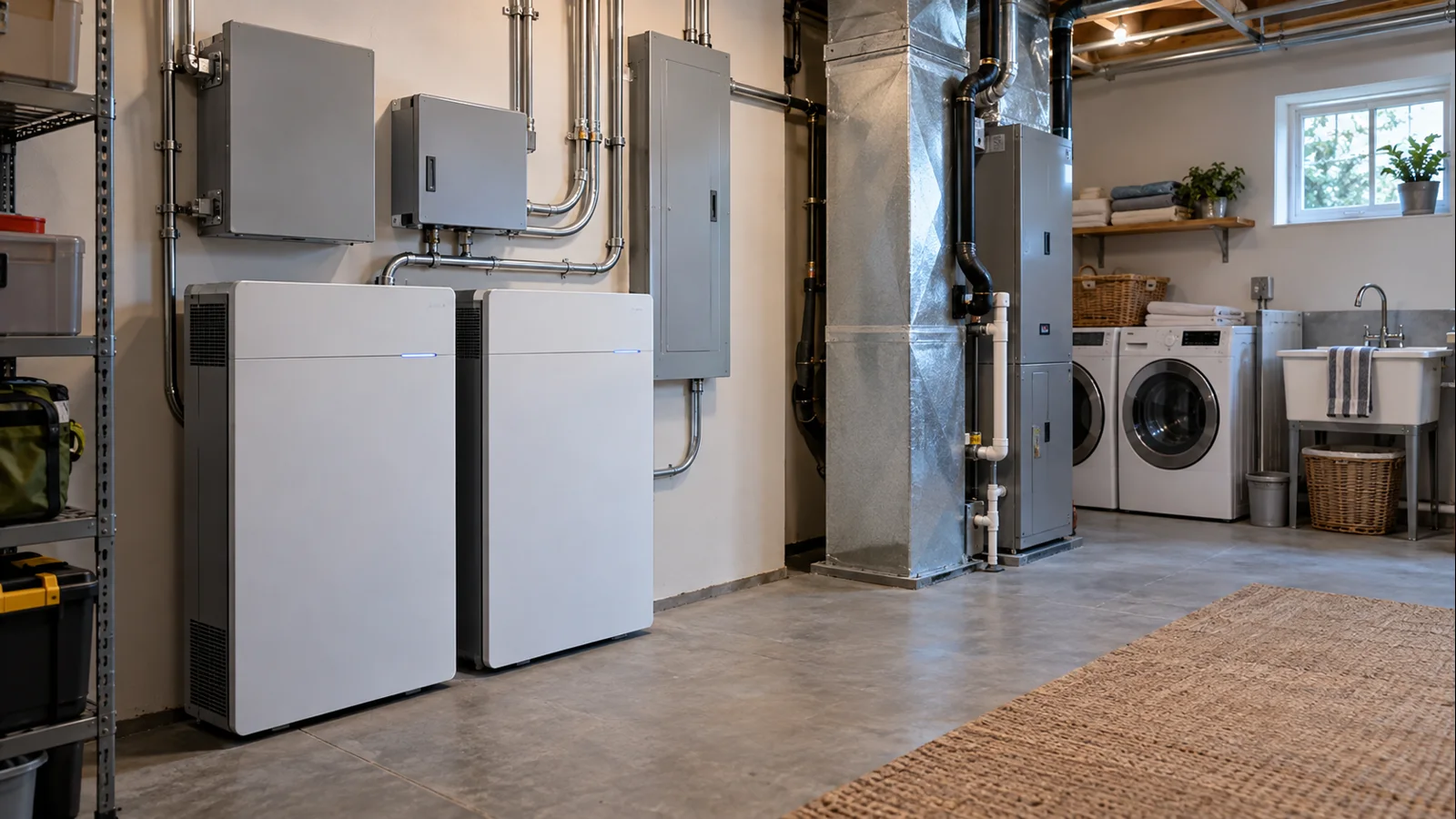
A battery is part of an electrical system, not a standalone appliance. Ordering equipment before a site-specific design is complete can create avoidable change orders or dead ends if the panel, service, solar equipment, transfer arrangement, physical location, or local code requirements do not support the assumed configuration.
Before signing, confirm whether the proposed system is AC-coupled or DC-coupled where applicable, how existing or future solar connects, what backup gateway or transfer equipment is included, which circuits are protected, whether load management is required, and whether the main service or panels need modification. Expansion matters too: some products can add energy capacity later only within defined hardware, inverter, gateway, firmware, or system-count limits. “Expandable” should be translated into a specific future configuration, not treated as an unlimited promise.
Permitting and inspection are local. The authority having jurisdiction (AHJ), utility interconnection rules, equipment listing requirements, manufacturer instructions, working clearances, siting rules and installer scope can change labor and hardware requirements. Those variables are exactly where a seemingly simple battery purchase can become a redesign or service-work project.
Battery quote checklist
| Ask for this in writing | Why it matters |
|---|---|
| Usable/nominal energy in kWh and continuous/starting power in kW | Separates runtime from simultaneous-load capability. |
| Exact backed-up circuits or whole-home architecture | Shows what stays energized and where load management is expected. |
| Gateway/transfer equipment, panel work and service changes | Exposes major scope items before change orders appear. |
| Solar coupling, outage recharge behavior and future expansion path | Prevents assumptions about solar compatibility or later battery additions. |
| Permits, utility work, commissioning and installer responsibilities | Clarifies what is included in the final installed system. |
Mistake 5: Using Stale Incentives or Vague Savings Claims
Battery economics are highly location- and tariff-dependent. A storage system may create value through time-of-use shifting, demand management where applicable, solar self-consumption, utility or state rebates, virtual power plant (VPP) participation, or resilience. But none of those should be converted into a universal savings percentage or payback claim.
Federal tax assumptions are especially important in late 2026. The IRS termination FAQ says the Section 25D Residential Clean Energy Credit is not available for expenditures made after December 31, 2025. It also says an expenditure is treated as made when original installation is completed, so an installation completed after that date is treated as after the deadline. The IRS Residential Clean Energy Credit page likewise states that the credit applied to qualifying property installed through December 31, 2025. A new homeowner battery installation completed in 2026 should therefore not be modeled as receiving the federal 25D credit.
State, utility, VPP and other local programs may still exist, but eligibility, funding, enrollment terms, export rules and compensation can change. Verify the current program with the administering utility or agency before using it in the financial case. AmpedHabitat’s Federal Home Energy Tax Credits Ended (2026) guide explains the federal change in more detail.
A defensible battery decision separates three things: bill savings under the actual tariff and usage profile, program revenue under current published terms, and the homeowner’s own value for outage resilience. If the project only works financially when an expired credit, optimistic arbitrage assumption, or uncertain VPP payment is included, the proposal needs to be recalculated.
FAQ
How many kWh of home battery storage do I need?
There is no universal kWh number. Size energy capacity from the loads you intend to support and the outage duration you are planning for, then account for usable energy, reserve settings, losses and expected solar recharge. Separately verify that the system has enough kW and starting capability for the loads that may operate at the same time.
Does more kWh automatically mean better whole-home backup?
No. More kWh generally increases available stored energy, but whole-home operation also depends on kW output, surge capability, transfer and gateway equipment, service and panel architecture, controls, protected circuits and load management.
Can a home battery run central air conditioning during an outage?
Sometimes, but not by default. The system must have sufficient continuous output and motor-start or surge capability, and the HVAC must be included in an appropriate backup architecture. Other simultaneous loads can also affect whether it works reliably.
Do new home batteries installed in 2026 qualify for the federal 30% Residential Clean Energy Credit?
Not under the current IRS Section 25D termination guidance. The IRS says the credit is not available for expenditures made after December 31, 2025, and an installation completed after that date is treated as an expenditure after the deadline. Check separately for current state, utility, rebate or VPP opportunities in your location.
Freshness note: Reviewed for late 2026 using current IRS guidance on Section 25D, Tesla’s current U.S. Powerwall 3 datasheet, and NREL REopt resilience guidance. Product specifications, utility programs, manufacturer rules, permits and local AHJ requirements can change; verify the documents and program terms that apply to the final design.